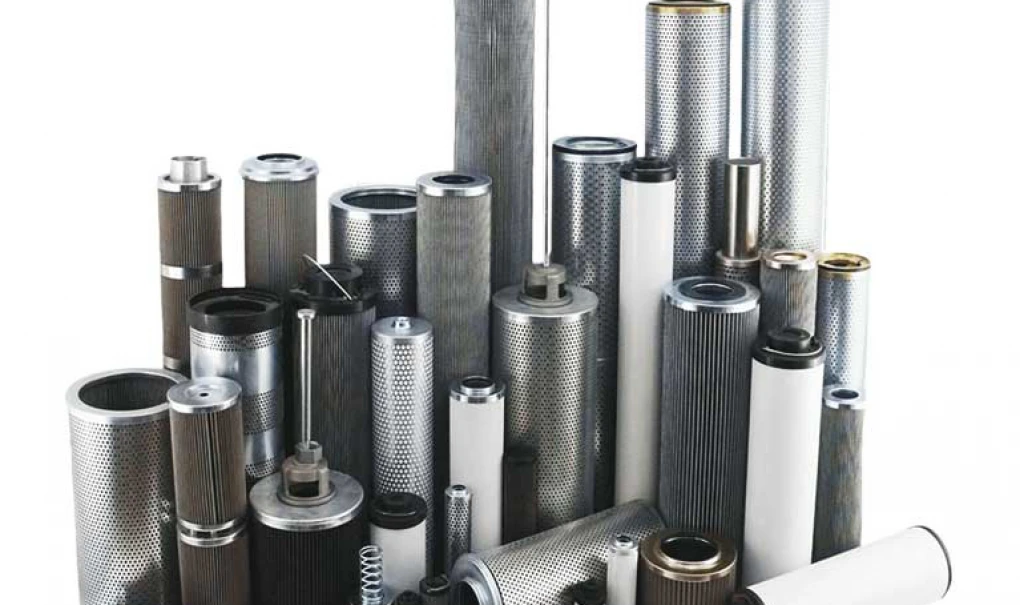
Hydraulic filters protect your hydraulic system components from damage due to contamination of oils or other hydraulic fluid in use caused by particles. These particles can cause damage to hydraulic system components because hydraulic oil is easily contaminated. Thus maintaining a good hydraulic filtration system will increase hydraulic component lifetime.
The wear of hydraulic system components is dependent on this contamination, and the existence of metal parts in hydraulic system oil (iron and copper are particularly powerful catalysts) accelerates its degradation. A hydraulic filter helps to remove these particles and clean the oil on a continuous basis. The performance for every hydraulic filter is measured by its contamination removal efficiency, high dirt-holding capacities.
A hydraulic filtration system includes hydraulic filters to remove dirt and particles on a continuous basis.
A hydraulic filter helps to remove these particles and clean the oil on a continuous basis. The performance for every hydraulic filter is measured by its contamination removal efficiency, high dirt-holding capacities. Almost every hydraulic system contains more than one hydraulic filter. The hydraulic filters between pump and actuators are referred to as pressure filters and the hydraulic filters between the actuators and tanks are low pressure or return line filters.
Hydraulic systems comprise many complex components from pumps and valves to motors and cylinders. The contained hydraulic fluid used is the most important element of every system. For this reason, any variation in the hydraulic fluid used can lead to system failure.
There are many different types of filters, and typically more than one type will be found in every hydraulic system. Filters can be located at various points in the hydraulic system, some of the most common types are Suction filters, Pressure filters, Return line filters, Off-line filters, Air filters.
Contamination is one of the leading causes of system failure. When considering the costs involved, filtration is key to protecting the system and preventing any foreign particles from disrupting its flow.
Common causes of hydraulic contamination
There are many reasons for dirt enter a closed hydraulic system. Introduced contaminants, Built-in dirt, internally generated, Fluid breakdown
The effects of contamination begin with the hydraulic fluid before being carried into the system. Over time, this contamination can build up and continuously worsen. For any system, this can have catastrophic consequences.
The presence of contamination can lead to Corrosion, Leakage, Sticking parts –
None of these conditions are desirable for any hydraulic system, which is why good quality filtration is crucial for optimising performance and increasing lifespan.
Every hydraulic system’s individual filtration needs are completely unique, so there’s certainly no one-size-fits-all solution.
Hydraulic filter components are designed depending on where they are to be placed within the system. The type of filter you need will first and foremost depend on its positioning, and from there, the most suitable filtration option should be chosen depending on the factors: Type of hydraulic fluid, Operating pressure, Operating temperature, Fluid flow per cycle, required resistance of filter, allowed system pressure drop, ease of element maintenance
Hydraulic Filters